Search engines use automated programs called crawlers or spiders to explore the web, index content, and rank pages based on relevance, quality, and user intent. When a user enters a search query, the search engine’s algorithm sifts through its massive database to deliver the most useful answer.
The Core Pillars of SEO
- On-Page SEO: Optimizing individual web pages, including content quality, target keywords, and HTML tags, to match what users are searching for. [1]
- Off-Page SEO: Building external signals of trust and authority, primarily through earning quality backlinks (links from other reputable websites)
- Technical SEO: Improving the backend structure of a website—such as mobile-friendliness, site speed, and secure protocols—so search engines can easily crawl and index it
Why SEO Matters
Unlike paid advertising, organic traffic from SEO is free and sustainable over time. It connects businesses and creators with users who are actively searching for specific solutions, products, or information, driving high-intent traffic
Make your site interesting and useful
Creating content that people find compelling and useful will likely influence your website’s presence in search results more than any of the other suggestions in this guide. While “compelling and useful content” can mean different things to different people, content like this generally shares some common attributes, such as:
- The text is easy-to-read and well organized: Write content naturally and make sure the content is well written, easy to follow, and free of spelling and grammatical mistakes. Break up long content into paragraphs and sections, and provide headings to help users navigate your pages.
- The content is unique: When you’re writing new content, don’t copy others’ content in part or in its entirety: create the content yourself based on what you know about the topic. Don’t just rehash what others already published.
- The content is up-to-date: Check in on previously published content and update it as needed, or even delete it if it’s not relevant anymore.
- The content is helpful, reliable, and people-first: Be sure that you’re writing content that your readers will find helpful and reliable. For example, providing expert or experienced sources can help people understand your articles’ expertise.
Expect your readers’ search terms
Think about the words that a user might search for to find a piece of your content. Users who know a lot about the topic might use different keywords in their search queries than someone who is new to the topic. For example, some users might search for “charcuterie”, while others might search for “cheese board”. Anticipating these differences in search behavior and writing with your readers in mind could produce positive effects on how your site performs in search results.
However, don’t worry if you don’t anticipate every variation of how someone might seek your content. Google’s language matching systems are sophisticated and can understand how your page relates to many queries, even if you don’t explicitly use the exact terms in them.
Avoid distracting advertisements
While ads are a part of the internet and are meant to be seen by users, don’t let them become overly distracting or prevent your users from reading your content. For example, advertisements, or interstitial pages (pages displayed before or after the content you’re expecting) that make it difficult to use the website.
Link to relevant resources
Links are a great way to connect your users and search engines to other parts of your site, or relevant pages on other sites. In fact, the vast majority of the new pages Google finds every day are through links, making links a crucial resource you need to consider to help your pages be discovered by Google and potentially shown in search results. Additionally, links can also add value by connecting users (and Google) to another resource that corroborates what you’re writing about.
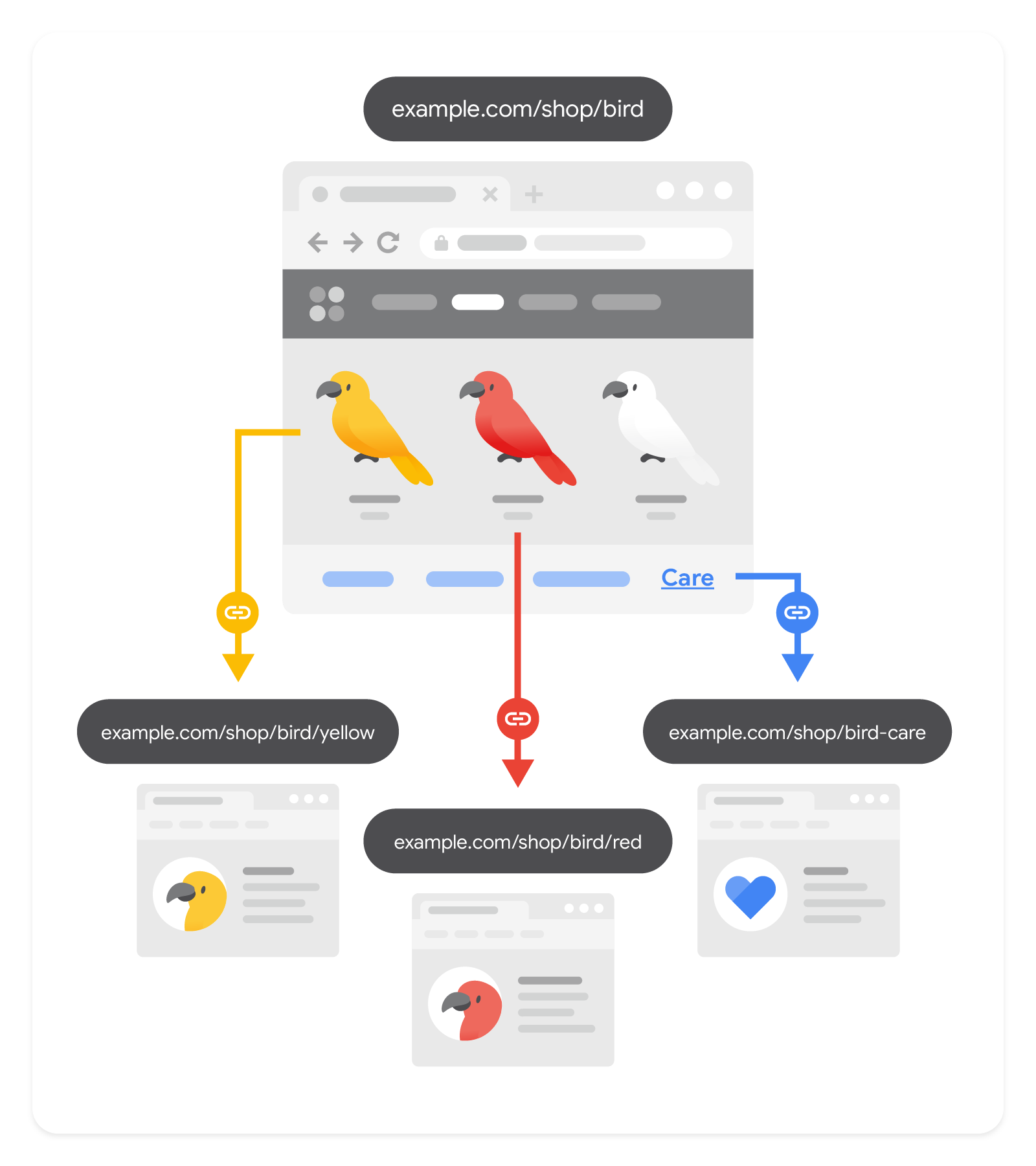
Write good link text
Link text (also known as anchor text) is the text part of a link that you can see. This text tells users and Google something about the page you’re linking to. With appropriate anchor text, users and search engines can easily understand what your linked pages contain before they visit.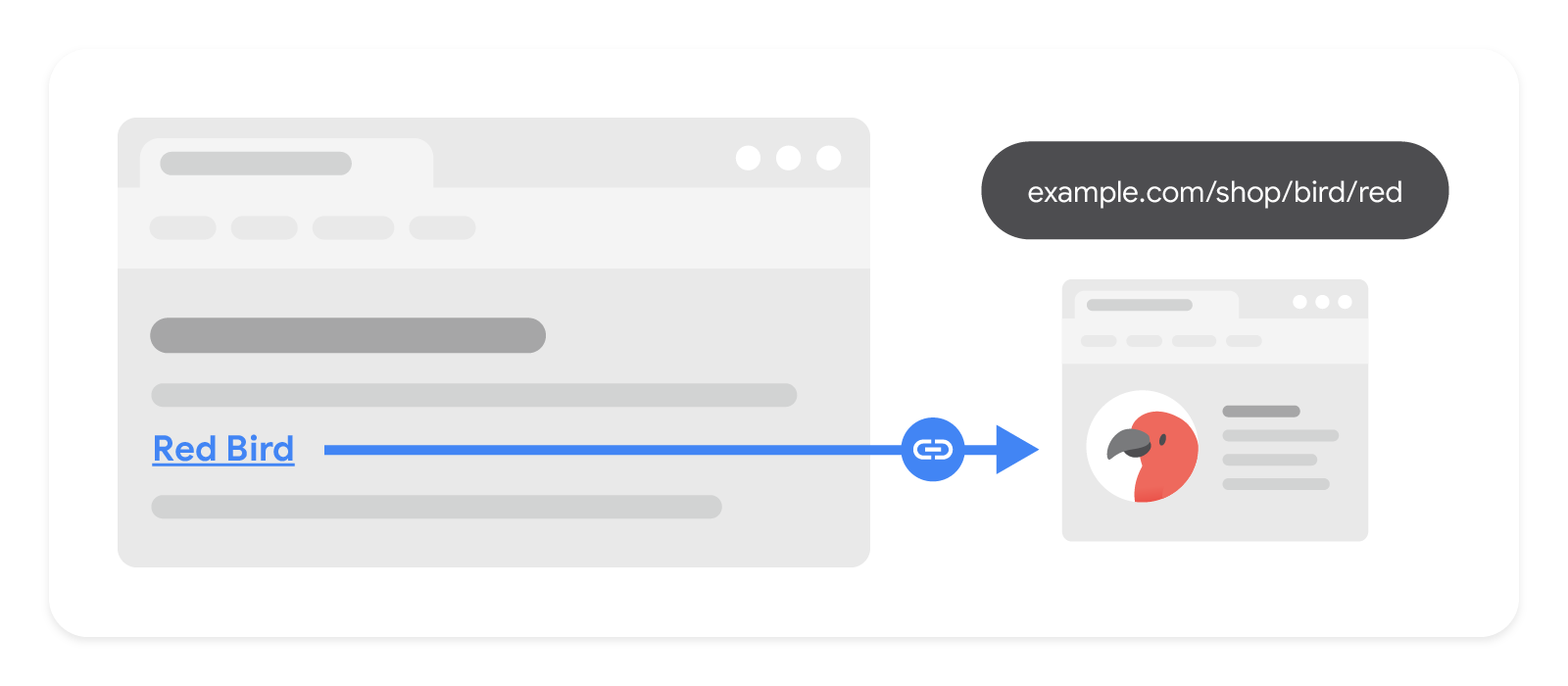
Link when you need to
Links can provide more context on a topic, both for users and search engines, which may help demonstrate your knowledge on a topic. However when you’re linking to pages outside of your control, for example content on other sites, make sure you trust the resource you’re linking to. If you can’t trust the content and you still want to link to them, add a nofollow or similar annotation to the link to avoid search engines associating your site with the site you’re linking to. This helps avoid potential negative consequences in your rankings in Google Search.
If you’re accepting user-generated content on your site, such as forum posts or comments, make sure every link that’s posted by users has a nofollow or similar annotation automatically added by your CMS. Since you’re not creating the content in this case, you likely don’t want your site to be blindly associated with the sites users are linking to. This can also help discourage spammers from abusing your website.
Search Engine Optimization (SEO) Starter Guide
When you built your website, you likely created it with your users in mind, trying to make it easy for them to find and explore your content. One of those users is a search engine, which helps people discover your content. SEO—short for search engine optimization—is about helping search engines understand your content, and helping users find your site and make a decision about whether they should visit your site through a search engine.
The Search Essentials outline the most important elements of what makes your website eligible to appear on Google Search. While there’s no guarantee that any particular site will be added to Google’s index, sites that follow the Search Essentials are more likely to show up in Google’s search results. SEO is about taking the next step and working on improving your site’s presence in Search. This guide will walk you through some of the most common and effective improvements you can do on your site.
There are no secrets here that’ll automatically rank your site first in Google (sorry!). In fact some of the suggestions might not even apply to your business, but following the best practices will hopefully make it easier for search engines (not just Google) to crawl, index, and understand your content
How long until I see impact in search results?
Every change you make will take some time to be reflected on Google’s end. Some changes might take effect in a few hours, others could take several months. In general, you likely want to wait a few weeks to assess whether your work had beneficial effects in Google Search results. Keep in mind that not all changes you make to your website will result in noticeable impact in search results; if you’re not satisfied with your results and your business strategies allow it, try iterating with the changes and see if they make a difference.
Organize your site
When you’re setting up or redoing your site, it can be good to organize it in a logical way because it can help search engines and users understand how your pages relate to the rest of your site. Don’t drop everything and start reorganizing your site right now though: while these suggestions can be helpful long term (especially if you’re working on a larger website), search engines will likely understand your pages as they are right now, regardless of how your site is organized.
Creating helpful, reliable, people-first content
Google’s automated ranking systems are designed to prioritize helpful, reliable information that’s created to benefit people, and not content that’s created to manipulate search engine rankings. This page is designed to help creators evaluate if they’re producing such content.
Self-assess your content
Evaluating your own content against these questions can help you gauge if the content you’re making is helpful and reliable. Beyond asking yourself these questions, consider having others you trust but who are unaffiliated with your site provide an honest assessment.
Also consider an audit of the drops you may have experienced. What pages were most impacted and for what types of searches? Look closely at these to understand how they’re assessed against some of the questions outlined here.
Content and quality questions
- Does the content provide original information, reporting, research, or analysis?
- Does the content provide a substantial, complete, or comprehensive description of the topic?
- Does the content provide insightful analysis or interesting information that is beyond the obvious?
- If the content draws on other sources, does it avoid simply copying or rewriting those sources, and instead provide substantial additional value and originality?
- Does the main heading or page title provide a descriptive, helpful summary of the content?
- Does the main heading or page title avoid exaggerating or being shocking in nature?
- Is this the sort of page you’d want to bookmark, share with a friend, or recommend?
- Would you expect to see this content in or referenced by a printed magazine, encyclopedia, or book?
- Does the content provide substantial value when compared to other pages in search results?
- Does the content have any spelling or stylistic issues?
- Is the content produced well, or does it appear sloppy or hastily produced?
- Is the content mass-produced by or outsourced to a large number of creators, or spread across a large network of sites, so that individual pages or sites don’t get as much attention or care?
Provide a great page experience
Google’s core ranking systems look to reward content that provides a good page experience. Site owners seeking to be successful with our systems should not focus on only one or two aspects of page experience. Instead, check if you’re providing an overall great page experience across many aspects. For more advice, see our page, Understanding page experience in Google Search results.
Focus on people-first content
People-first content means content that’s created primarily for people, and not to manipulate search engine rankings. How can you evaluate if you’re creating people-first content? Answering yes to the questions below means you’re probably on the right track with a people-first approach:
- Do you have an existing or intended audience for your business or site that would find the content useful if they came directly to you?
- Does your content clearly demonstrate first-hand expertise and a depth of knowledge (for example, expertise that comes from having actually used a product or service, or visiting a place)?
- Does your site have a primary purpose or focus?
- After reading your content, will someone leave feeling they’ve learned enough about a topic to help achieve their goal?
- Will someone reading your content leave feeling like they’ve had a satisfying experience?
Avoid creating search engine-first content
We recommend that you focus on creating people-first content to be successful with Google Search, rather than search engine-first content made primarily to gain search engine rankings. Answering yes to some or all of the questions below is a warning sign that you should reevaluate how you’re creating content:
- Is the content primarily made to attract visits from search engines?
- Are you producing lots of content on many different topics in hopes that some of it might perform well in search results?
- Are you using extensive automation to produce content on many topics?
- Are you mainly summarizing what others have to say without adding much value?
- Are you writing about things simply because they seem trending and not because you’d write about them otherwise for your existing audience?
- Does your content leave readers feeling like they need to search again to get better information from other sources?
- Are you writing to a particular word count because you’ve heard or read that Google has a preferred word count? (No, we don’t.)
- Did you decide to enter some niche topic area without any real expertise, but instead mainly because you thought you’d get search traffic?
- Does your content promise to answer a question that actually has no answer, such as suggesting there’s a release date for a product, movie, or TV show when one isn’t confirmed?
- Are you changing the date of pages to make them seem fresh when the content has not substantially changed?
- Are you adding a lot of new content or removing a lot of older content primarily because you believe it will help your search rankings overall by somehow making your site seem “fresh?” (No, it won’t)